Debugging the Collapsed Classroom (Part 1: The Catharsis of Barbarism)
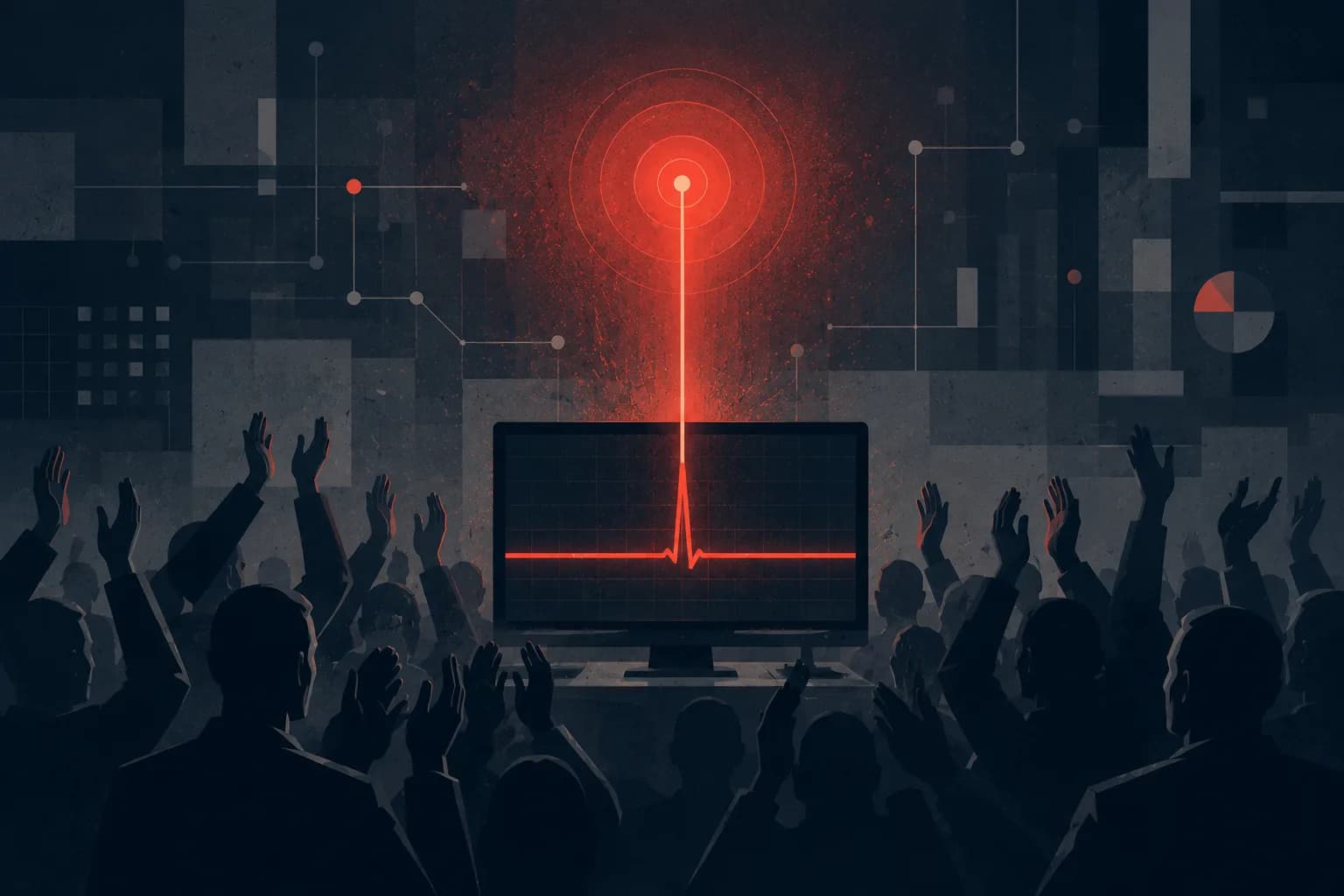
People cheering for the drama 《참교육》 snagged on something. Not because the shock value lands, but because it looked closer to a scream from people who've seen the system stop. And that scream seems to share a mechanism with the anti-PC and alt-right backlash.
Debugging the Collapsed Classroom series
(2 parts)- 1Debugging the Collapsed Classroom (Part 1: The Catharsis of Barbarism)
- 2Debugging the Collapsed Classroom (Part 2: The Pressure Cooker Nobody Escapes)
What snagged
The Netflix drama 《참교육》 (Teacher's Revenge) has been getting a lot of attention lately, especially episode 5's helicopter-parent storyline. Reddit threads filled up with reactions to the actor playing the parent who squeezes a teacher with malicious complaints and false accusations — "a villain so perfect you want to reach through the screen and hit them." Plenty of non-Korean viewers were shocked to learn it was based on the 2023 death of an elementary school teacher in Seocho and the teacher protests that followed.
But what snagged for me wasn't the drama itself. It was the reaction.
The scenes people cheer for are, in the end, scenes of someone who crossed a line getting physically beaten. The usual move is to file that under "the shock value worked" and move on. I couldn't agree with that. If it were about shock value, people would cheer for any action movie. What was strange was that the catharsis fires specifically in a classroom, specifically with a parent hitting a teacher as the setup.
So this looked less like a pleasure problem and more like a signal. A signal that people already know the legitimate system no longer works. Academically it looks close to a state of "moral panic," but let's put that word aside and come back to doubt it later.
Doubting the common explanation first
The common frame is this.
Past authoritarian education was too violent → corrective devices like the Student Rights Ordinance came in → so now we're in a better state where rights are protected.
Inside that frame, people cheering for 《참교육》 get filed as "regression, nostalgia for the corporal-punishment era." A tone that grants itself the moral high ground.
That filing looked lazy to me. The moment you rate someone as "regressed," you stop looking at why the reaction happened. This seems like a structural problem, not an attitude problem.
Correction was clearly necessary. The question is how far the correction went. Running a small society like a classroom requires some minimal amount of control, and when correctivism crosses the line where it strips even that minimum, the system doesn't get better — it just stops. And the backlash against a stopped system comes out in shapes like 《참교육》.
One thing I want to keep separate here. That people cheer for extralegal violence in a drama is simply an observable fact. Whether that cheering means "let's beat people in real life too" is a different matter. It reads closer to "please notice that this structure has stopped."
Mixing the observation with the interpretation drawn from it slides you into the conclusion "cheering = endorsing violence." I didn't want to slide there.
The same mechanism: anti-PC, the alt-right, and 참교육
Step back a bit and this backlash isn't only inside the classroom.
The globally visible "alt-right," "incel," and "anti-PC" sentiment and the enthusiasm for vigilante-justice content like 《참교육》 aren't separate phenomena — they seem to share structurally the same backlash mechanism. Both start from a similar place.
The PC movement and things like the Student Rights Ordinance began as a process of correcting an institution's trajectory to protect the rights of the oppressed. That direction was right, in my view. But the moment the correction is perceived as having crossed a threshold, the ordinary majority feels a sense of crisis: "I've lost control."
- On the social/cultural side: a perception spreads that PC or feminism has gone past its original equality footing and pre-classifies ordinary people as potential perpetrators. The fatigue of feeling your ordinary life is under censorship. The recoil is an extreme rightward turn.
- On the institutional side (the classroom): with corporal punishment banned and the Student Rights Ordinance in place, classroom power tipped sharply toward students and parents. As teachers' authority collapsed over and over, resentment accumulated: "excessive rights protection turned the classroom into a lawless zone."
So the enthusiasm for 참교육 isn't an isolated event — it's the classroom version of the same fatigue.
But the backlash side doesn't get a pass either — strawmanning
Here I have to twist it once more. It's hard to call this backlash simply correct.
The interesting part is the reaction on the other side. Some people in their 40s–50s and on the PC side watch this and get uncomfortable: "next thing you know it'll be bring back corporal punishment, bring back discipline by force." I think this is closer to strawmanning.
In today's world, the claim that "teachers should beat students mercilessly like the old days" has already fallen to a tiny fringe. Opposing routine corporal punishment is the default. That's settled. So dragging out the already-dead discourse of "reviving corporal punishment" and pretending to be scared of it isn't real fear — it's closer to not wanting to admit that the current system they championed (the Student Rights Ordinance and so on) has shown defects and failed. Prop up past barbarism as a strawman, beat it, and you get to keep your own position on the "enlightened, morally superior" side.
I felt something similar to the feminism debate here. The mechanism is identical. "Men are superior to women so they earn more and women do housework" is already an outdated discourse, and the people who think that way have become a minority. But there's a side that can't accept that minoritized reality and stays locked in the past to keep holding an absolute moral high ground. Backlash side or PC side, they're mirror images in that both are a defense mechanism that props up a finished discourse as a strawman to claim moral superiority.
So I don't think this is a question of "which camp is right." Both are spinning the same structural bug in different directions.
The real bug is the asymmetry between authority and responsibility
Reduce it further and the core absurdity the drama depicts converges on one place. Teachers were handed all the responsibility while their authority was taken back. Capability (what you can do) and responsibility (what you're accountable for) come apart.
What the public education system gave teachers:
- Recording authority that shapes a student's future (school records, internal grades)
What it took back:
- Enforcement authority over the physical space of the classroom
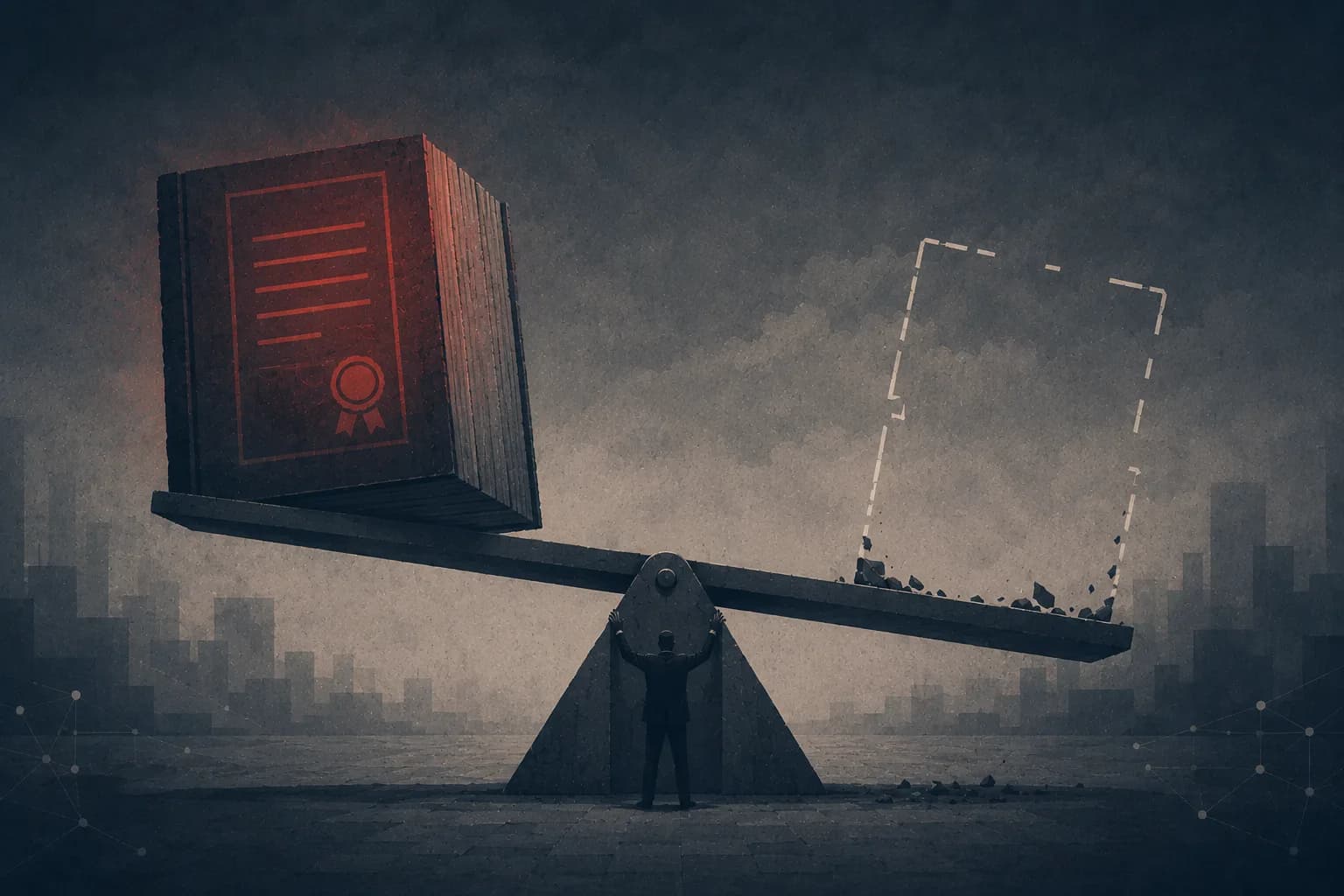
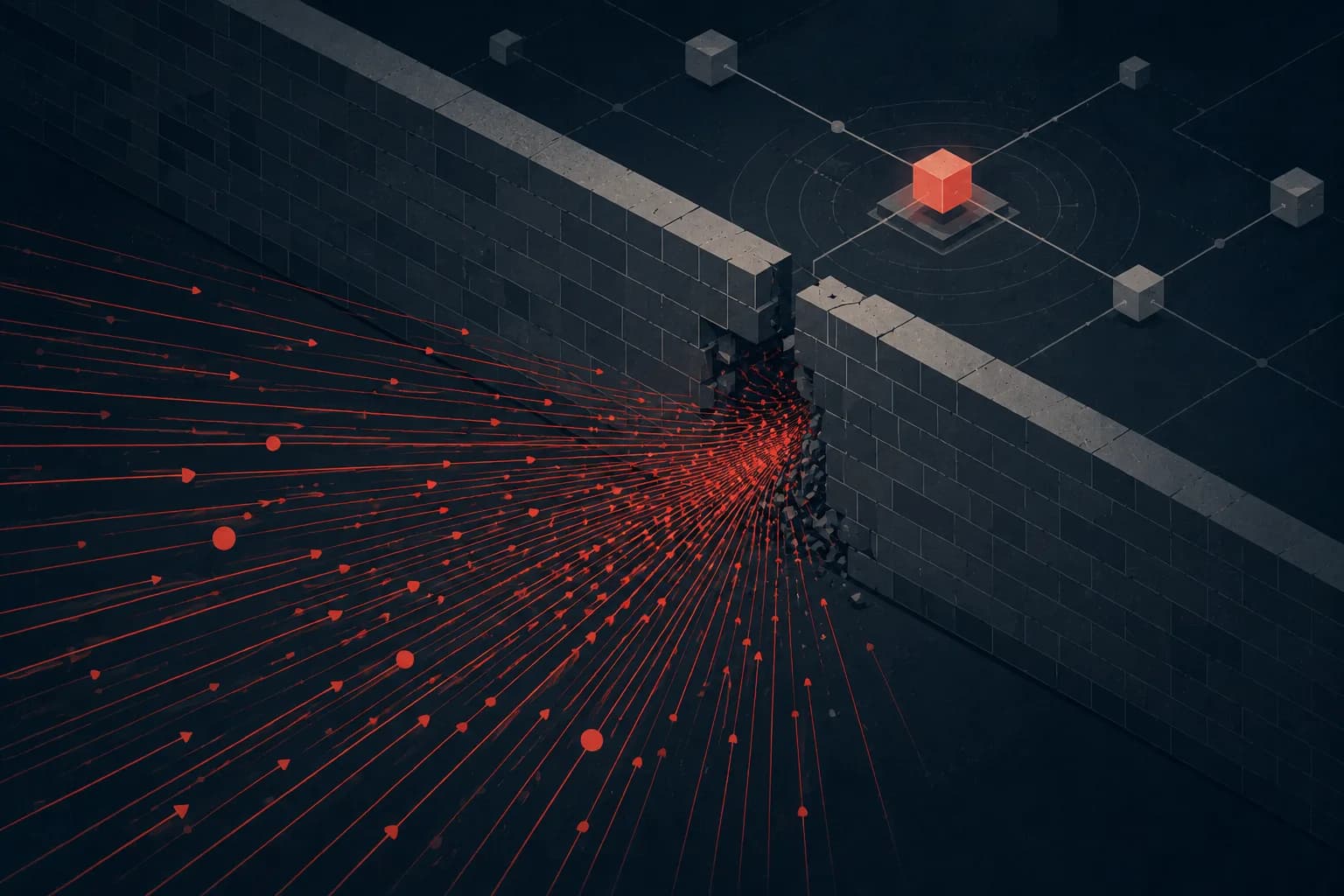
The moment you define it that way, the conversation changes. This isn't "kids and parents these days have no manners." When the authority structure is deformed, that structure will inevitably be attacked at its weak point. Exactly like traffic converging on a disabled firewall in security.
Then the rights violations by some parents and students look different too. Less moral decay, more a rational attack on a system — punching through the weak point of a defanged teacher to secure a record favorable to my kid. Rattling a competitor's kid follows the same logic.
This is an interpretation, of course. "Everyone acts calculatingly" may be an overgeneralization. But that the structure lays down these incentives seems fairly clear. Create a weak point and someone will hit it. The design makes not hitting it the losing move.
So what people see in the drama's extralegal violence from the Teacher Protection Bureau may not be the violence itself, but a scene where the confiscated enforcement authority (= the firewall) comes back for a moment.
The word '참교육' got inverted
One more thing. It's no accident that the drama (and the webtoon it's based on) uses the title '참교육' — "true education." It's a deliberate twist.
'참교육' was originally a slogan raised by the teachers' union in the 80s and 90s. A progressive, rights-centered call resisting authoritarian education. But in online communities today '참교육' means something completely different. It's been swapped out as slang for "a forceful, physical punishment of someone who crossed the line."
Same word, meaning flipped to its opposite. That looks like the result of "union-style 참교육 (student-rights-centered moderation)" hitting its limits and the public's demand for "a new form of strict order" overwriting the word itself. The word changes faster than the system does.
The media is only the explosive
Let's go back and doubt the phrase "moral panic." Panic implies "overreaction," but if the system really has stopped, that isn't excess — it could be an accurate reaction. Honestly, I don't know which it is yet.
What's certain is that this drama isn't a solution. Seo-i Elementary, Sookmyung Girls' High, comedian Lee Su-ji's recent kindergarten-teacher satire — there were that many real events and the system fundamentally didn't change. Real tragedies degenerated into camp logic and blame-shifting the moment they broke, then faded out. A well-made drama, on the other hand, bypasses that defense mechanism and intuitively imprints "how abnormal the current system is."
So the maximum the media can do is make the agenda visible. The explosive that breaks the dam. The catharsis a viewer feels isn't agreement with "let's break the law and hit people in real life," it's closer to a scream: "please recognize this abnormal structure."
Questions still open
- If the media broke the dam, controlling the flood and cutting a channel afterward falls to the institutions. But why those institutions can't fix this is another structural problem.
- Whether the backlash leads to healthy discussion or becomes another pretext for hate, I still don't know. The media doesn't decide that; the side receiving it does.
So in Part 2 I want to work through "why everyone knows this system is broken and still can't get out, and why politics can't fix it." That's where the college-admissions lock-in and mass democracy come in.
Filing it here for now.